June 16, 2026 · 9 min read
Word Scrambling Strategies Used by Experts
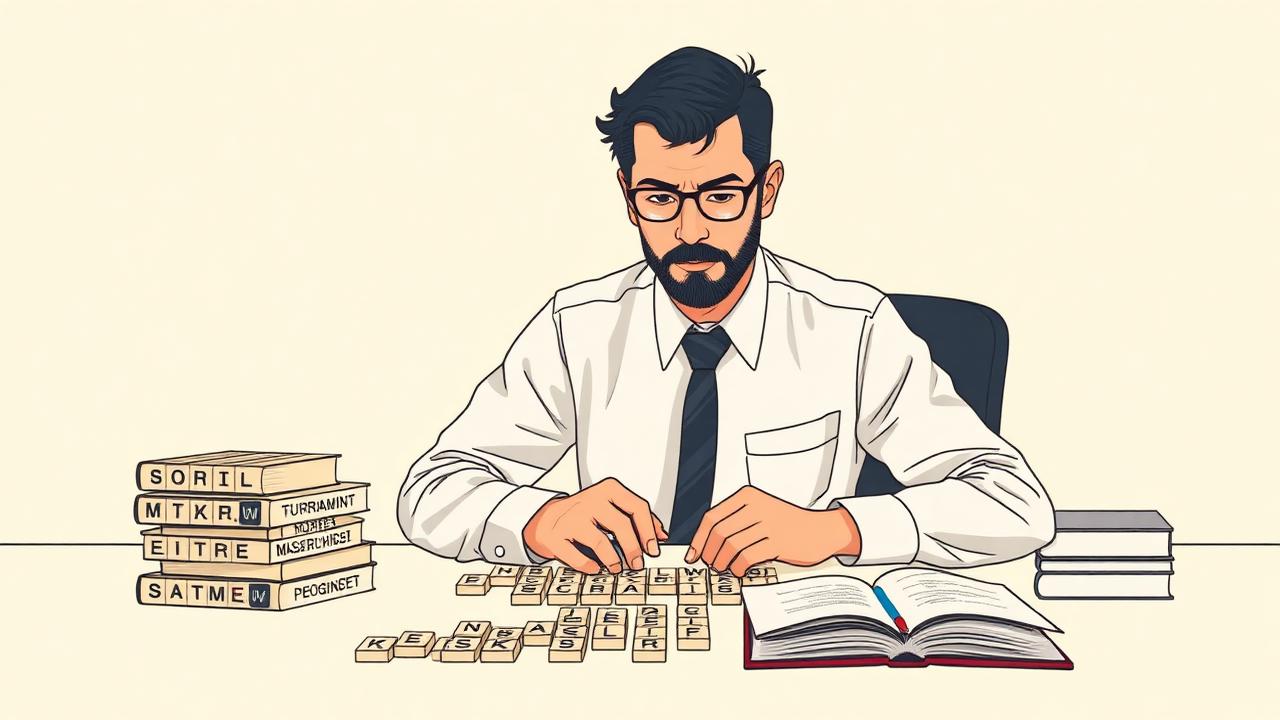
Watch a competitive Scrabble or word-game champion at work and it can look like magic — long words materializing from a chaotic rack in seconds. But there's no magic involved, only a set of learnable strategies honed through deliberate practice. In this guide we'll pull back the curtain on the techniques expert word players actually use to scramble and unscramble letters at lightning speed, so you can borrow them for your own games.
1. Pattern Recognition Over Brute Force
Beginners try every combination of letters one by one. Experts don't — they recognize patterns. Years of exposure train the brain to instantly see familiar letter clusters: str, tch, ght, tion, ous, ing. When an expert glances at a rack, these chunks light up automatically, collapsing thousands of possible arrangements into a handful of likely candidates. You can develop this same instinct by studying common letter combinations and reading widely until they become second nature.
2. Working With Anagram Chunks
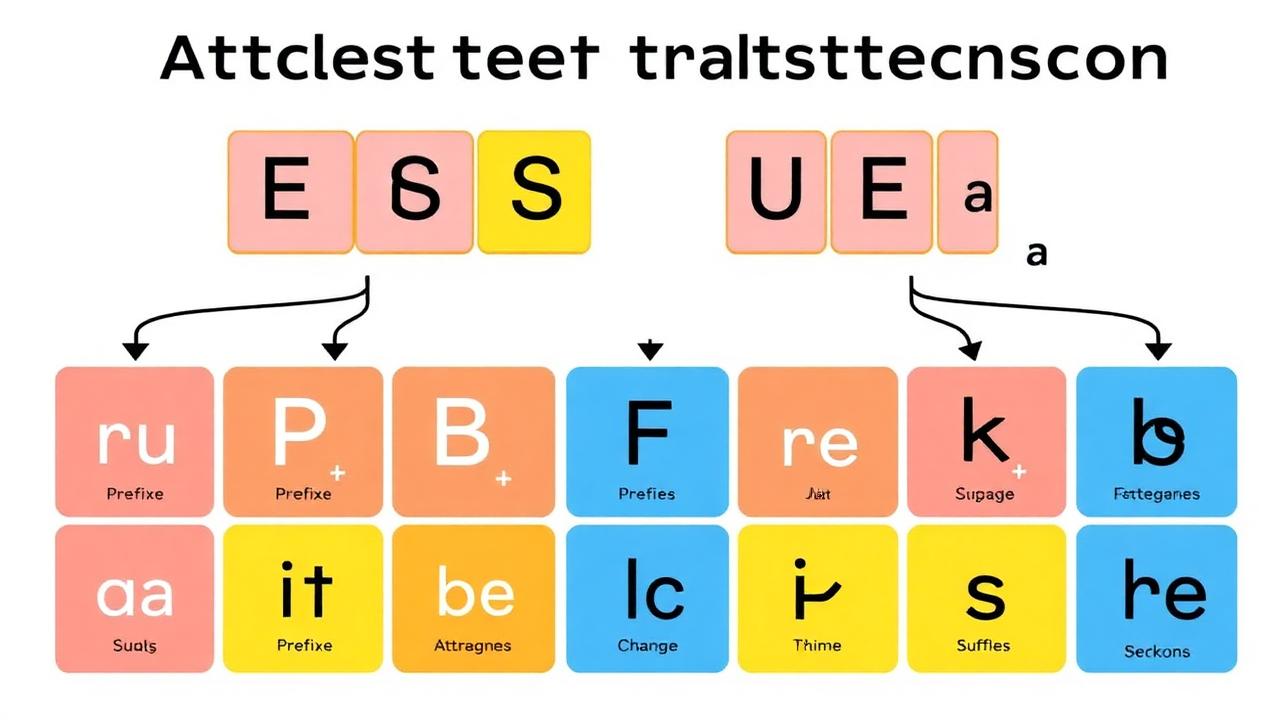
A powerful expert habit is breaking a rack into movable chunks rather than loose letters. If you spot that four of your tiles form -ing and two more form st-, you can treat those as blocks and only shuffle what's left. This "chunking" dramatically reduces the mental load and is exactly how speed solvers find long words faster than anyone tracking individual letters. Practice by deliberately locking obvious affixes in place before solving the remainder.
3. Mastering Bingo Stems
In Scrabble, certain six-letter combinations are famous for producing seven-letter bingos when paired with almost any seventh tile. These are called bingo stems — classics include SATIRE, RETINA, and SANTER. Experts memorize a stable of these high-probability stems and the words they unlock. When their rack contains a known stem, they instantly know a bingo is likely and which tiles to draw toward. Learning even a few stems can transform your big-play rate.
4. The Two-and-Three-Letter Word Arsenal
It sounds humble, but expert players have memorized the complete list of valid two- and three-letter words. This arsenal does enormous work: offloading awkward tiles, connecting to existing words to score in two directions at once, and squeezing into tight board spaces. Words like qi, za, xu, jo, aa, oe, ka, brr, and nth are the unglamorous backbone of high-level play. If you learn one list this year, make it this one.
5. Rack Balance and Tile Management
Top players think beyond the current turn. They manage their rack to keep a healthy balance of vowels and consonants, avoiding the dreaded all-consonant or all-vowel disaster. After each move, they consider what tiles they'll likely keep and how those will combine with future draws. Sometimes they'll even score slightly fewer points now to maintain a flexible rack that sets up a bingo later. Strategy lives in the sequence, not the single move.
6. Tile Tracking
In serious competition, experts track which tiles have been played, so they know exactly what remains in the bag and on opponents' racks. This information shapes their endgame: if they know the last S or blank is gone, they adjust their plans accordingly. While casual players won't track every tile, simply being aware of how many high-value letters and blanks remain gives you a meaningful edge late in the game.
7. The Shuffle Reset
Even the best players fall into tunnel vision, staring at the same arrangement until it stops yielding ideas. Their remedy is simple and deliberate: physically reshuffle the tiles. Changing the visual order tricks the brain into seeing fresh combinations. Online, the equivalent is a shuffle button or mentally rotating the letters. Make reshuffling a conscious habit whenever you stall, rather than grinding on a stale layout.
8. Deliberate Practice With Tools
Here's the secret experts rarely advertise: they train with word lists and unscrambler tools. They'll attempt a rack themselves, then check a tool to see every word they missed, gradually internalizing the patterns. Over time, this feedback loop builds the instant recognition that looks like natural talent. The tool isn't a crutch — it's a coach, accelerating the learning that eventually lets you play without it.
9. Studying High-Value Letters in Context
Experts know not just that Q, Z, J, and X are valuable, but how to deploy them. They learn the Q-without-U words (qi, qat, faqir), the best homes for a Z, and which premium squares turn a heavy letter into a huge score. Knowing the scoring map for difficult tiles means those letters become opportunities rather than liabilities.
Bringing Expert Habits Into Your Game
You don't need to be a tournament player to benefit from these strategies. Start small: learn a handful of two-letter words, practice chunking affixes, get comfortable reshuffling when you stall, and use an unscrambler as a coach rather than a crutch. Each habit compounds, and before long you'll find words faster and score higher than you thought possible. Try the unscrambler below to start building that expert-level pattern recognition today.